
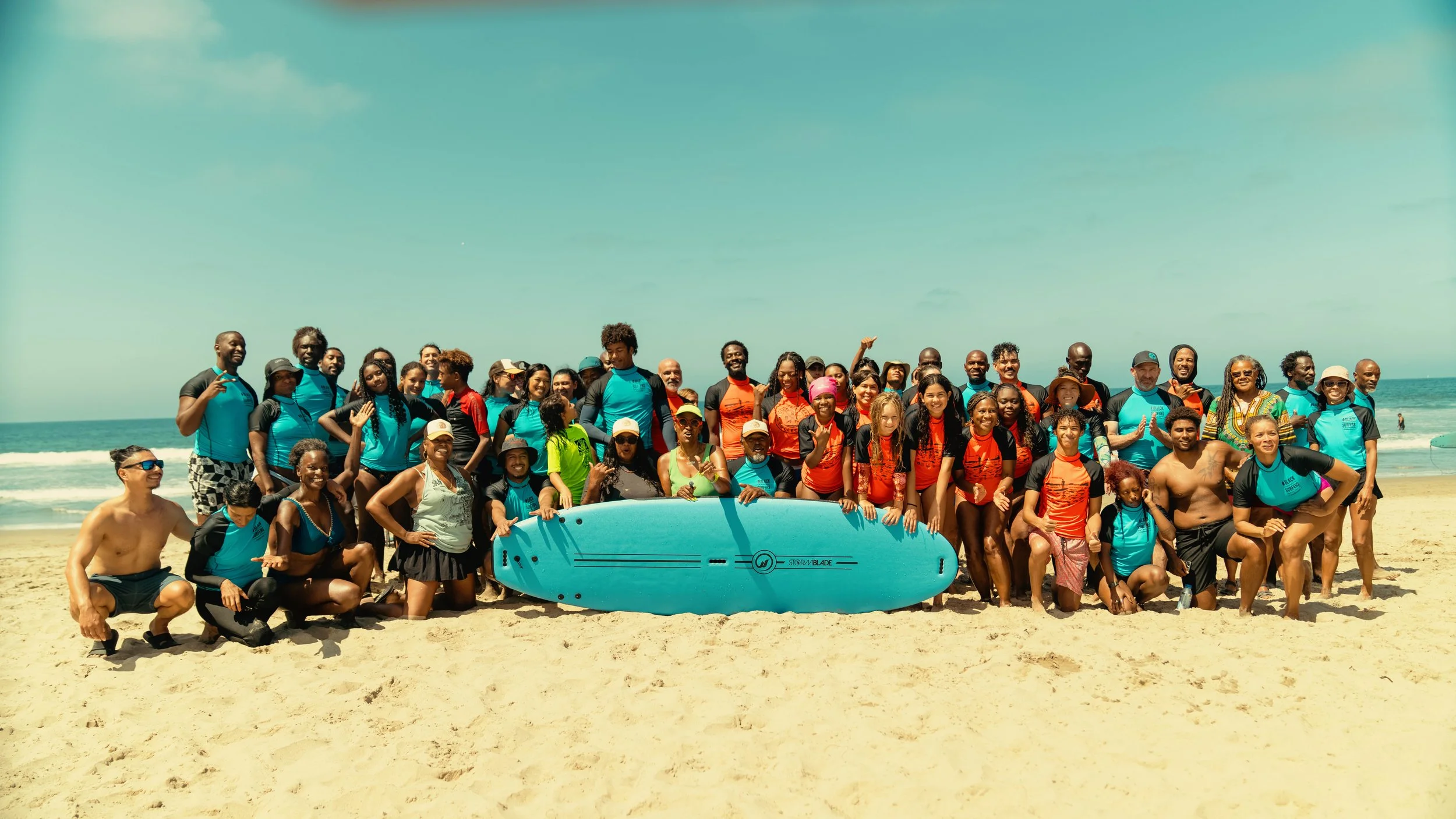
The Black Surfers Collective’s Going Huge in LA This October
Surfer Magazine
The vibes are up this fall as the Pan African Beach Day and High Tide Gala are coming to Playa Del Rey.
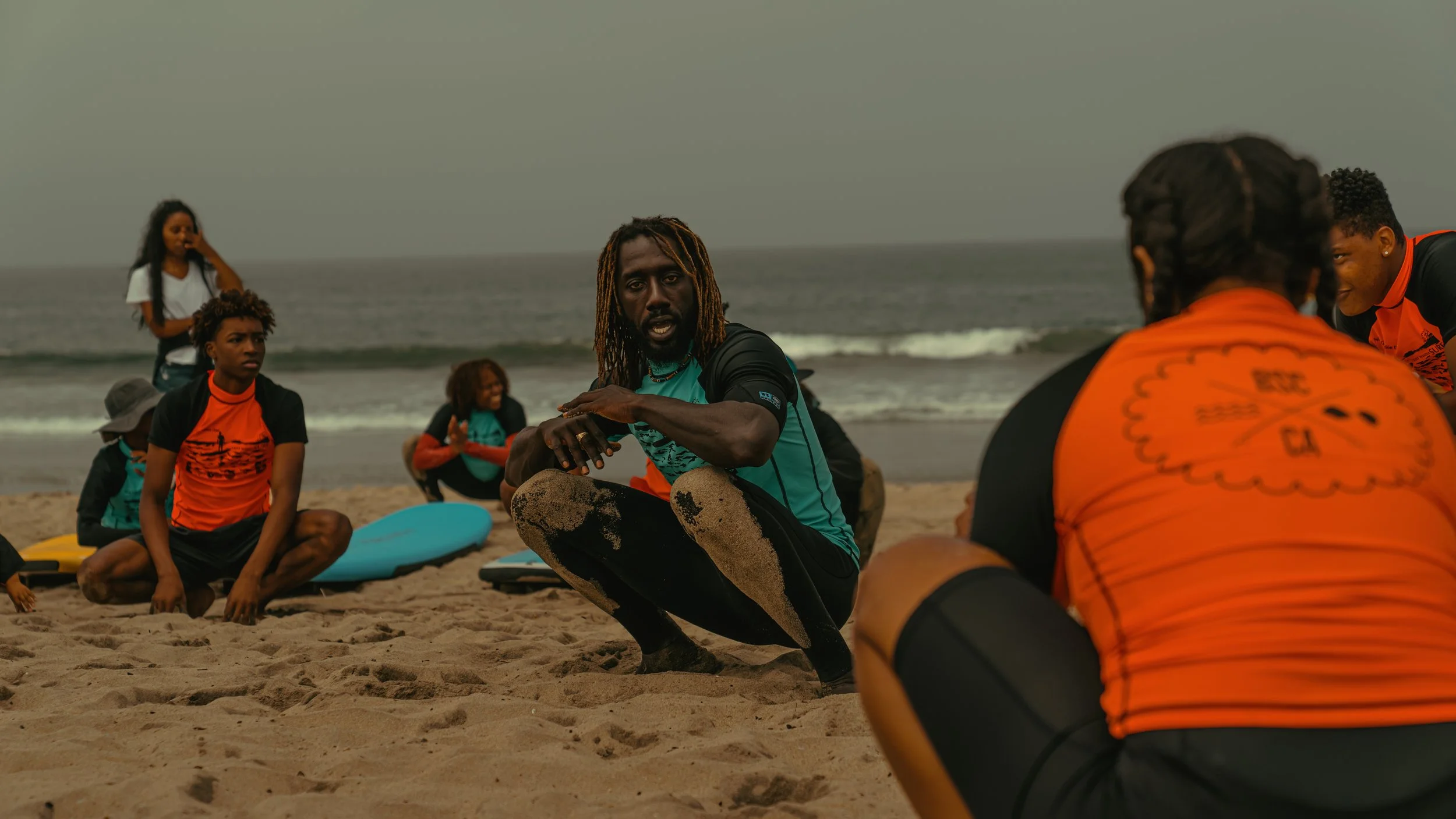
Riding a wave of history and commemoration in Santa Monica
When was the last time you saw a black surfer getting barreled? Who was the last dark-skinned athlete to win a surf competition?
Unsurprisingly, the number of black people who surf and participate in the surf industry circus is disproportionately low.
White Anglo-Saxon Protestants (WASP) have dominated surfing since it touched down in mainland America and its popularity soared in California in the 1950s.
Fueled by a male-dominated lifestyle, surfing’s critical expansion moments were always dictated by a blond-haired, American middle class where black people were a minority.
But could it be that dark-skinned people simply did not show interest in the sport? No, not at all.
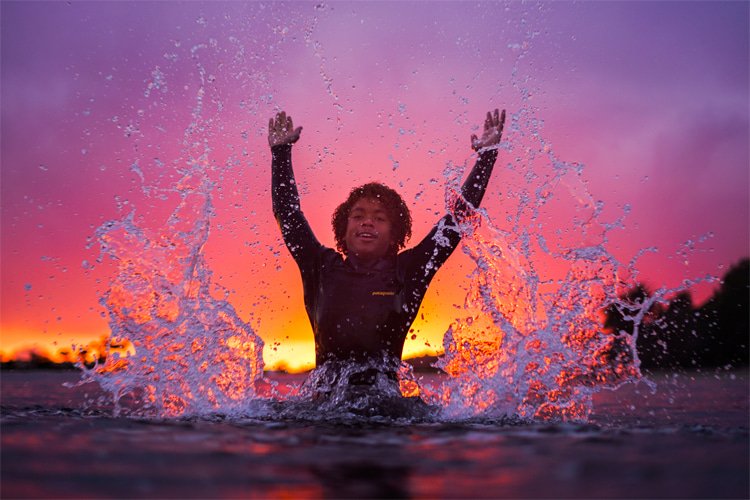
Black surfers: 8 movements that fight for racial equity
When was the last time you saw a black surfer getting barreled? Who was the last dark-skinned athlete to win a surf competition?
Unsurprisingly, the number of black people who surf and participate in the surf industry circus is disproportionately low.
White Anglo-Saxon Protestants (WASP) have dominated surfing since it touched down in mainland America and its popularity soared in California in the 1950s.
Fueled by a male-dominated lifestyle, surfing’s critical expansion moments were always dictated by a blond-haired, American middle class where black people were a minority.
But could it be that dark-skinned people simply did not show interest in the sport? No, not at all.
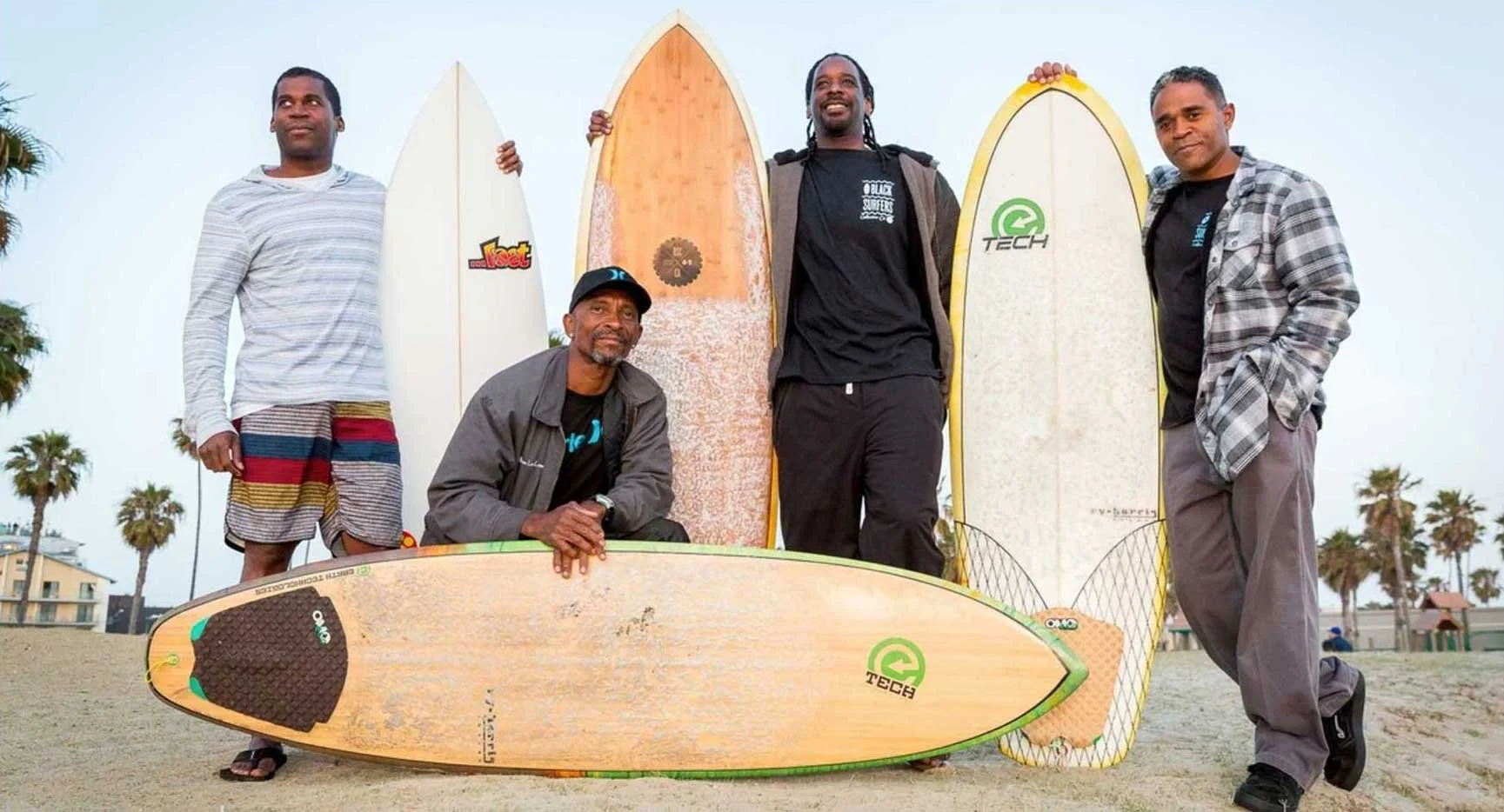
How the Black Surfers Collective Is Cultivating New Black Wave Riders
Like in many other predominantly white sports, Black people have been surfing for ages. Since the 1940s, there have been a number of Black surfers redefining the sport in the United States, carving out a space that was typically devoid of actual diversity.
Though Black surfers are not as popular in America, the art of Black surfing isn’t new. Editor of The Surfer’s Journal Scott Hulet told Boston’s NPR news station that Africans in Ghana, Senegal and Angola have been surfing on their stomachs for centuries. To change the narrative in the US, organizations like the Black Surfers Collective (BSC) are cultivating and educating a new generation of Black surfers.
Take American names like Nick Gabaldón, Larry Bertlemann and Mary Mills, for example — they should all be more widely known, but they aren’t. The legendary Nick Gabaldón was characteristically the Tiger Woods, Michael Jordan or Jerry Rice of the surfing world. Despite relative obscurity, his legacy and the legacy of the other aforementioned Black surfers live on through the work of the BSC.
The BSC grew out of the Black Surfing Association (BSA).
“We branched off in order to serve the community more effective,” BSC founder Greg and Marie Rachal said in an interview with Blavity.
Founded between 2011 and 2012, the organization quickly grew in popularity for its commitment to giving back and conserving beaches. Throughout the year, volunteers teach young locals from the Los Angeles and Santa Monica, CA, areas how to surf. Events like their Pan African Beach Days, held every second Sunday of the summer season, and their beach camps, which invite young people to surf and hang out, are opportunities to raise more awareness about surfing and its history within the Black community.
“For some of us, we’ve been exposed to [surfing], and it becomes a part of your soul,” said Greg Rachal, who is from southern LA.”When you spend time in the ocean, it’s something that becomes a part of you, and riding the waves is something that you always want to do after you’ve experienced it.”
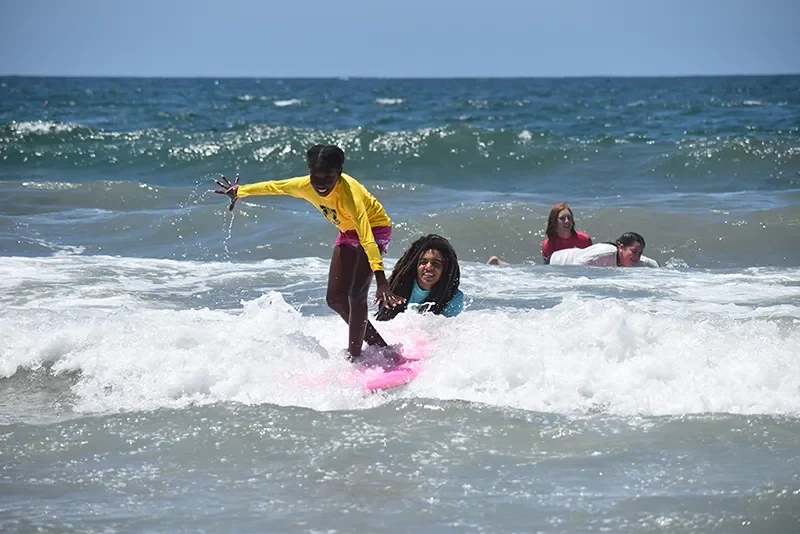
Nick Gabaldón Day brings the joy of surfing to Angelenos of color
In the 1940s when almost every inch of beach was hostile to Black Angelenos, Santa Monica native Nick Gabaldón defied the odds to become California’s first documented surfer of Black and Mexican American descent.
Using a combination of bravery, grit, and a 13-foot rescue surfboard borrowed from a lifeguard, Gabaldón quickly went from a self-taught kook to a respected presence in an essentially all white lineup. Yet despite his trailblazing accomplishments, 71 years after his death, there remain comparatively few surfers of color in Los Angeles.
Nick Gabaldón Day is on a mission to change that.
Now in its 10th iteration, the day is a celebration of Gabaldón’s remarkable, yet tragically short life that strives to share his love of surfing and the ocean with Black and brown communities from across the County. This year the event took place on June 18 and gave free lessons to around 75 participants.
Nick Gabaldón Day is run in partnership with the Black Surfer Collective and Santa Monica based non-profit Heal the Bay. The Black Surfer Collective organized the first ever celebration as a tribute to Gabaldón’s life and a means to inspire more surfers of color. Heal the Bay quickly became a partner, recognizing Gabaldón’s contributions to Santa Monica history and the opportunity to act on their mission to expand coastal access.
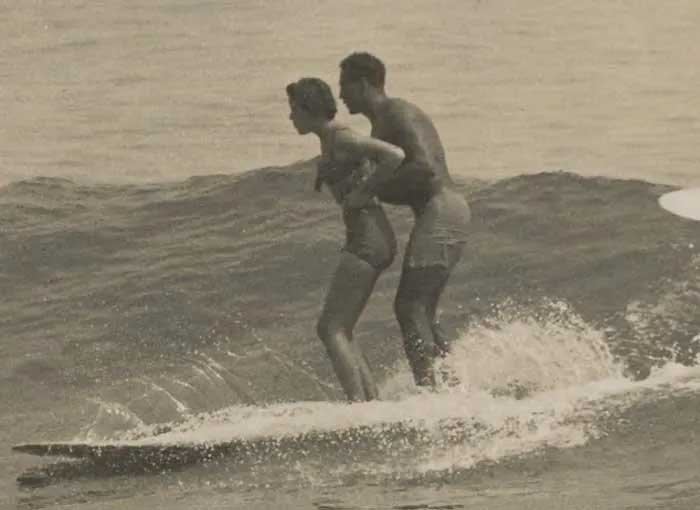
HOW NICK GABALDON SURFED AGAIST SOUTHERN CALIFORNIA’S TIDE OF SEGREGATION
For the past six years or so, on the first Saturday in June, dozens of inner-city kids venture splashing and laughing into the gentle waist high peaks near California’s Santa Monica Pier to get their first taste of surfing. Many of these kids will have never before even visited the beach. What was once perhaps a far-flung and exotic pastime, surfing, for those kids growing up outside the typical beach community, becomes a touchable, livable activity.
Those kids venture to the coast as a celebration of Nick Gabaldon Day, a feel-good memorial first put on in 2013 by the Black Surfer’s Collective, in partnership with Heal the Bay, a Southern California environmental group, and L.A. County Supervisor Mark Ridley-Thomas. The day is about honoring Gabaldon, introducing kids who wouldn’t otherwise be exposed to the outdoors, and is a reminder that something as open as the beach was once segregated too.
Gabaldon is often considered the nation’s first documented black surfer; whether he was or not is difficult to prove, though he was likely the first black surfer to ride waves at California’s legendary Malibu. Gabaldon was born in the Santa Monica area of Los Angeles in 1927. He loved the beach as a kid, and bodysurfed a stretch of beach along Santa Monica’s Bay Street, also called “Inkwell Beach,” a section of beach that was open to black swimmers when Southern California beaches were still segregated.